U.S. War Spending Surges Past $16 Billion in Two Weeks
By Clerfania Previlon
Within just the first two weeks of the 2026 conflict with Iran, the United States has spent an estimated $12 billion to over $16.5 billion, according to Pentagon briefings, lawmakers, and defense analysts.
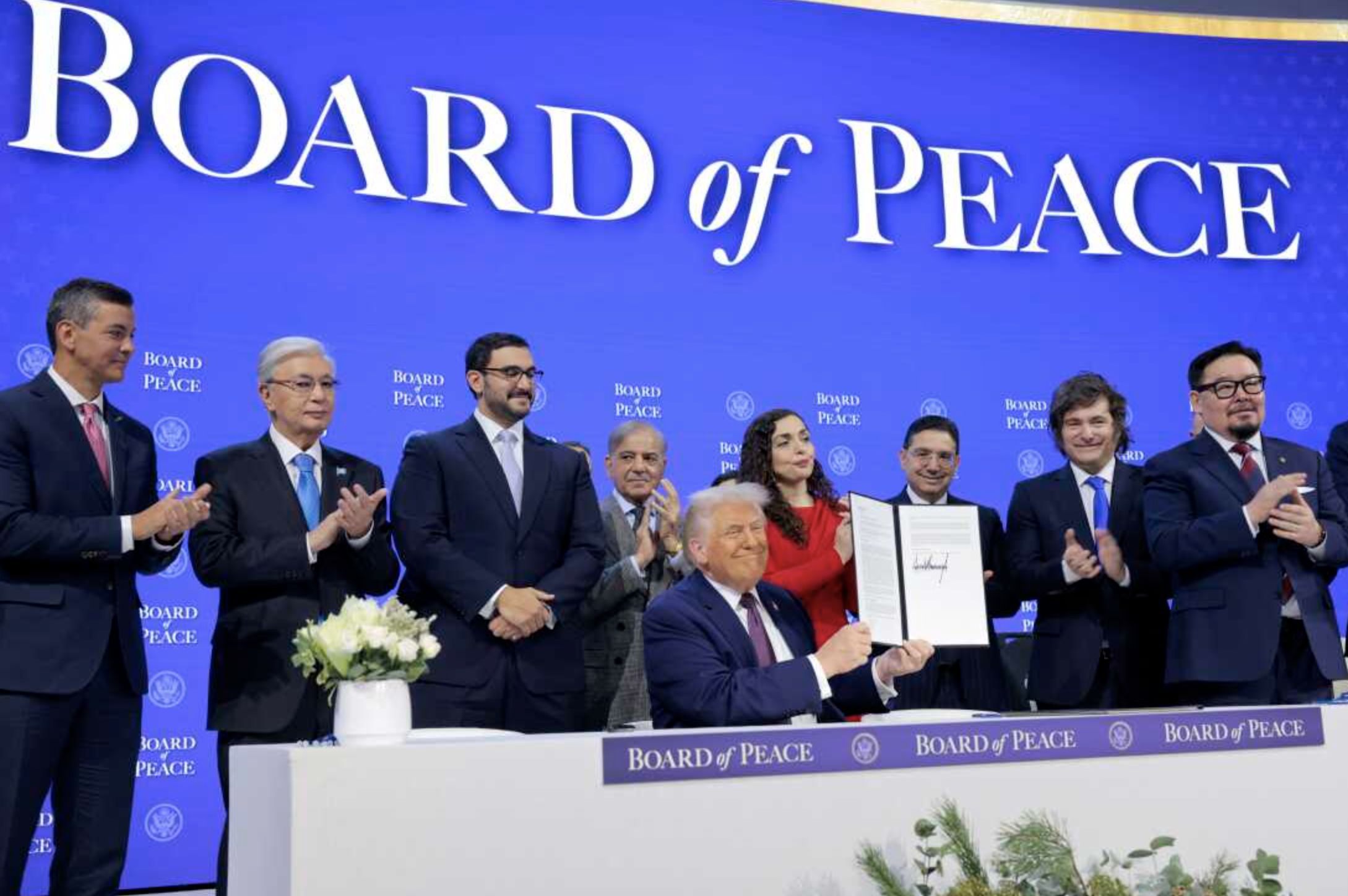
Courtesy of Getty Images
The military campaign, officially launched as Operation Epic Fury, is projected to cost close to $1 billion per day as air, naval, and intelligence operations continue across the region.
Critics of the Trump administration believe that the speed and scale of the spending are unusually high this early in the conflict, with many noting that modern warfare is faster and more expensive than ever.
However, the Trump administration is assuring the public that the spending is not out of the ordinary.
“We have plenty of money to fund this war,” US Treasury Secretary Scott Bessent said on NBC News. “This is supplemental. President Trump has built up the military, as he did in his first term, as he is now doing in his second term, and he wants to make sure that the military is well supplied going forward.”
There has been controversy over the legality of the war as Trump engaged in the conflict without seeking Congress’s approval. This has led to political division and public distrust in leadership, as allies hesitate to support the U.S.
Wars are always expensive, but early-stage spending at this level suggests immediate escalation to the public. The US relies heavily on airstrikes, naval deployments, and intelligence operations from the start, which indicates the severity of the conflict.
Strategists and analysts believe that the aggressive, high-intensity approach leans towards a goal of establishing dominance early, but large upfront spending usually means planning beyond short-term engagement.
The immediate effects of the increased federal spending have been a budget strain and national debt increase as well as reallocation of funds from other government agencies. The potential impacts of the spending range from market uncertainty, higher taxes in the future, and reduced funding for domestic programs. War spending does not just affect the military; it affects everyday Americans.
While officials may frame it as controlled, the spending suggests something larger. Hampton student and first-year marketing student Keith Jenkins shared his thoughts on the tension.
“When you’re spending billions within weeks, it signals urgency and intensity, but it also shapes public perception. It makes the operation look aggressive,” Jenkins said. “From a strategic standpoint, you don’t spend that much if you don't expect the conflict to last. And from a messaging standpoint, it becomes harder to convince the public that it’s short-term when the scale of spending says otherwise. Other countries may question the legitimacy of the U.S.’s actions, which can affect alliances.”
As the conflict continues, the pace of spending remains a key indicator of its potential scale and duration. How the United States manages both the economic and political consequences of this conflict will likely shape its impact in the months ahead.