
The Redaction of History
By: Sydney Johnson
3 million documents from the Epstein files were released by the Department of Justice this week, and they contain incriminating emails and photos of some of the most powerful people in the world. Donald J. Trump, Elon Musk, Bill Clinton, Bill Gates, and Howard Lutnick, among others, have email chains with Jeffrey Epstein that they have previously denied.
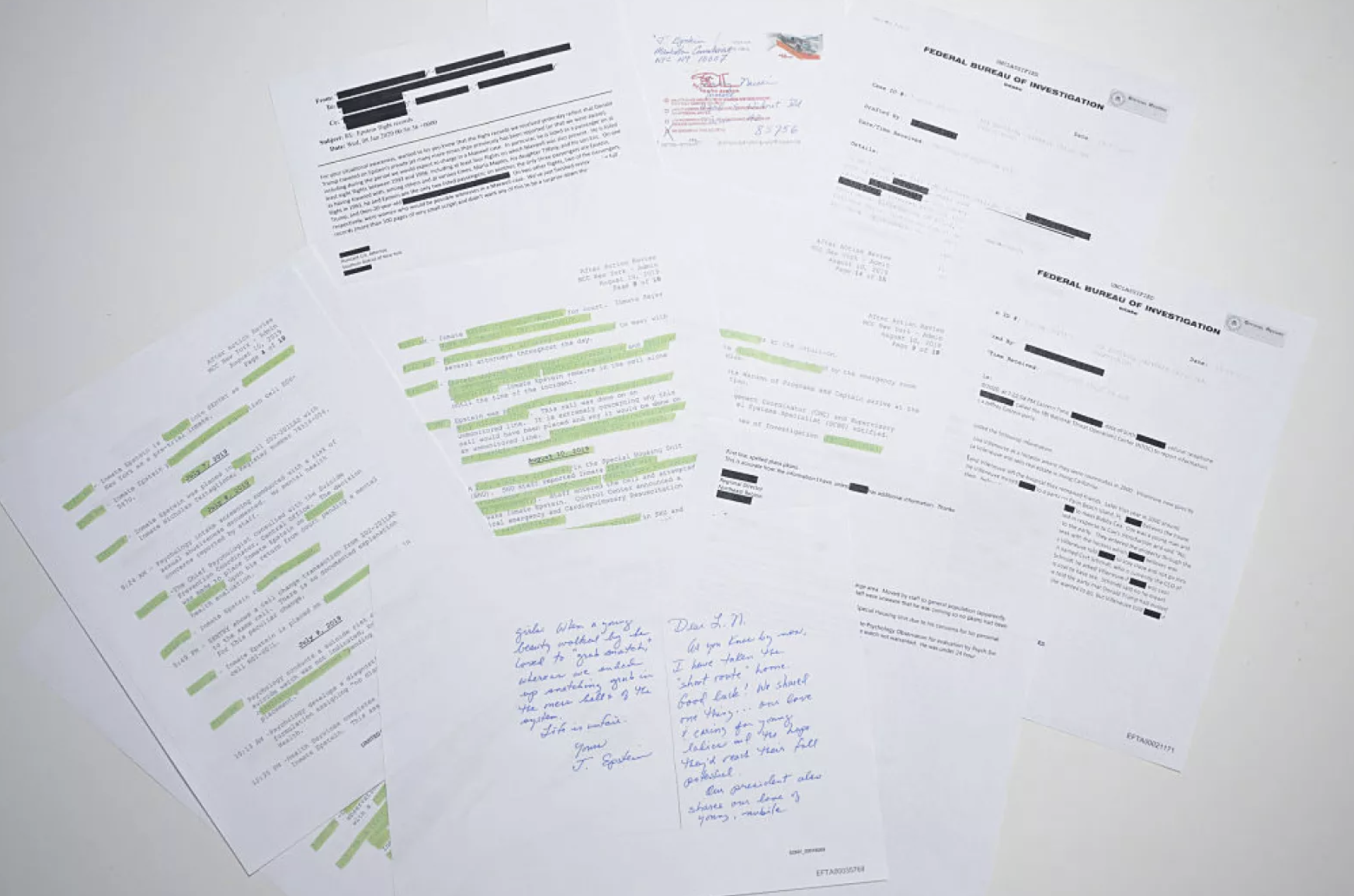
Courtesy: Getty Images
The release of these documents has caused public outrage across the country. The subjects of conversation in the emails released are sickening, and citizens are disgusted by the implications of pedophilia and sex trafficking seen in this release. Many of the messages explicitly discuss these crimes, while some use code words like ‘pizza’ to describe people and actions. The use of this language is similar to theories on social media surrounding the word ‘pizza’ during the 2016 election.
The United States Deputy Attorney General, Todd Blanche, told CNN that the information provided is insufficient to convict any of the aforementioned people or anyone else named in the documents. Despite what many claim to be a “mountain” of evidence presented in these documents, there will be no further convictions in Epstein's case or in relation to the files released as of now.
During the first release of Epstein’s files in November, the majority of the documents were completely redacted to protect the victims involved. In the most recent drop, people have pointed out that some of the victims were unnecessarily identified despite being told they would be protected.
It has been speculated by the public that the main redactions in the files are the senders and receivers of emails to/from Jeffrey Epstein, and that the information being hidden is not to protect the victims, but the perpetrators. People across social media, especially the music app TikTok, have taken to their platforms to decode sender emails and understand the extent of who is involved.
“If it were black men [as perpetrators] in the files, they would be executed, but they would never let them get away with it for as long as [they] have,” said Aniya Hunte, a criminology major at Hampton University.
