French Hill Hosts Summit Addressing Funding and Workforce Gaps at HBCUs
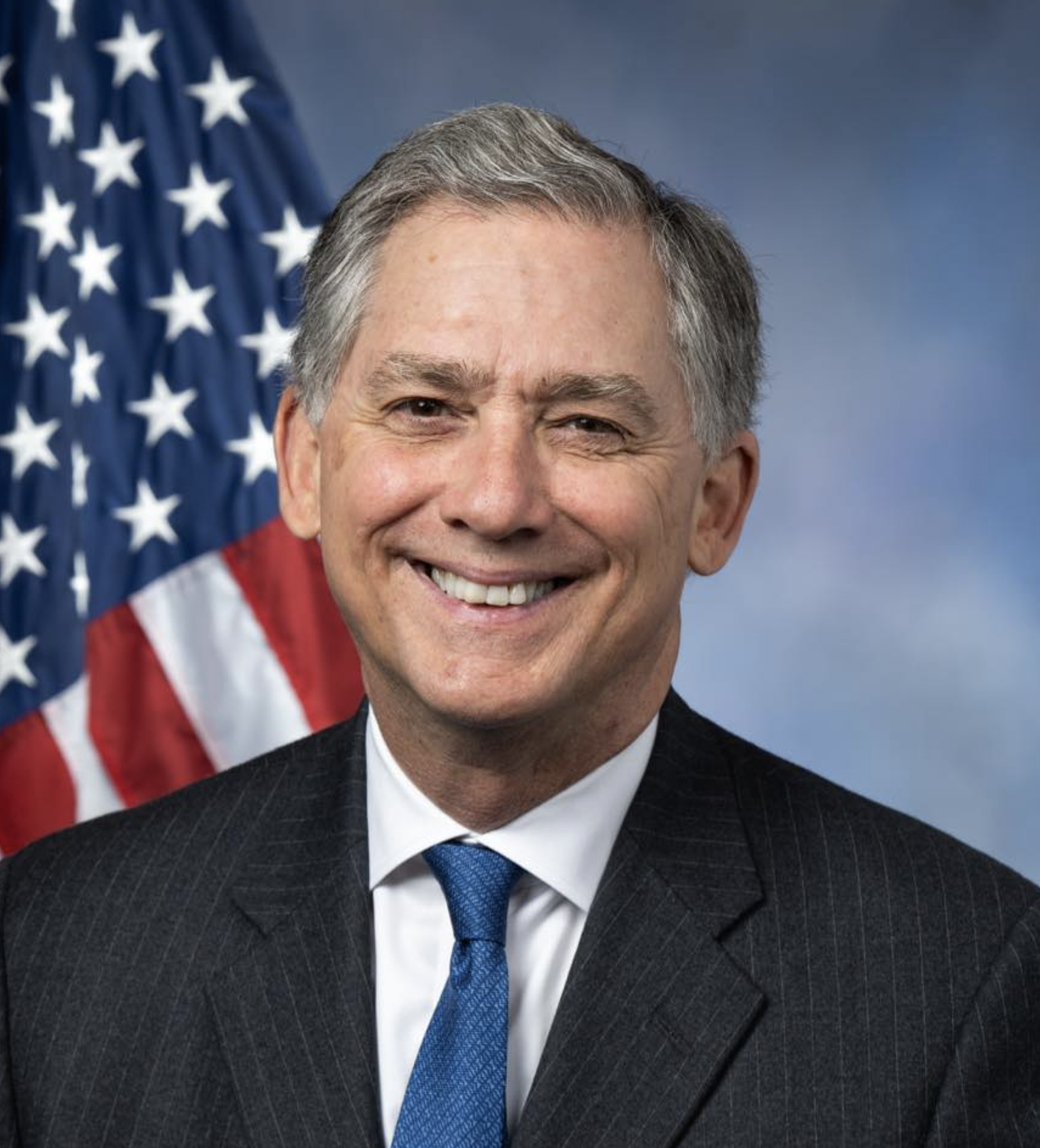
Courtesy of Congressman French Hill Via Facebook
By Clerfania Previlon
U.S. Representative French Hill hosted the Arkansas HBCU summit at Arkansas Baptist College in Little Rock, Arkansas, on March 12. Centered on the theme “Building Resilient Futures for HBCUs,” the event comes amid ongoing national conversations about funding disparities and long-term sustainability at Historically Black Colleges and Universities.
During the event, speakers and attendees addressed long-standing challenges facing these institutions. U.S. Representative Alma Adams of North Carolina and Arkansas Governor Sarah Huckabee Sanders were guest speakers.
The summit opened dialogue around sustainable solutions such as increased federal and private investment, innovation initiatives, and stronger career pipelines that aim to enhance student outcomes and ensure the continued relevance and advancement of HBCUs in today’s higher education landscape. It also highlighted areas of growth such as STEM, technology, and economic development connected to HBCU institutions.
Students following the summit said the issues discussed reflected challenges they see across HBCUs nationwide.
“I think the biggest problems at HBCUs are the socioeconomic barriers for students as well as the funding. A lot of students are first generation college students or may come from low income backgrounds,” Addyson Hassanali, a first-year political science student, said. “Predominantly white colleges receive way more support which is unfair to all the students trying to get an education. HBCUs receive less government funding per student and limited financial resources also make it hard to maintain campuses, update technology, and expand our programs.”
Lauryn Underwood, a first-year political science major, said summits can be influential but only if they lead to concrete action.
“On their own, summits do not create policy change, but they can set the agenda, bring attention to key issues, and build connections that make change more possible. If they lead to actual funding decisions or legislation, then they become much more than just symbolic,” Underwood said. “The federal government should play a strong role in supporting HBCUs, especially given the history of underfunding and inequality. That support should go beyond basic funding and include investments in research, infrastructure, and partnerships that connect students to real career opportunities, especially in fields like STEM.”
The summit concluded without formal policy announcements, but emphasized continued collaboration between lawmakers and HBCU leaders.