Gas Prices Surge Nationwide Amid Iran Conflict
Courtesy of WAVY.com
By Leyah Jackson
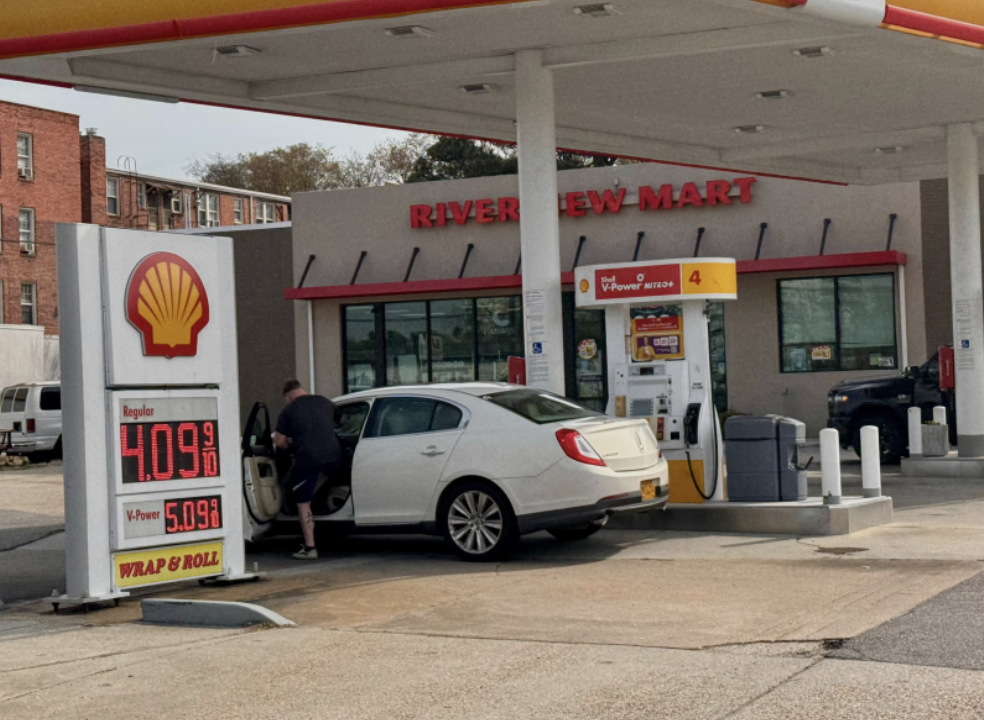
Gas prices are at a record high, with the average national cost inching closer to $4 per gallon. Following the conflict in Iran, oil prices soared globally and Iranian leaders have vowed to keep the Strait of Hormuz, a crucial maritime passageway for oil tankers, closed.
“I understand that there’s a war going on and that I am ignorant to some of the things going on in the world, but as a 21 year old college student, gas prices have been hitting me hard lately, and it doesn’t seem like they’ll be going down anytime soon,” said Anthony Jackson, fourth-year computer science major.
The average for a regular gallon in Virginia stands at $3.63. By mid-morning Tuesday, the AAA reported that the average gallon costs Hampton Roads drivers $3.67.
Much of the world relies on the Strait of Hormuz for their oil supply. In Southeast Asia, governments are scrambling to reassure citizens and ration their domestic oil supply.
The Philippines initiated a four-day workweek for government employees, and Vietnam has urged its citizens to work from home and limit vehicle usage. Over in Thailand the government is conserving energy by halting energy exports, having government employees work from home, and encouraging people to use stairs instead of elevators.
“Gas prices are definitely being used as a political tool… Some politicians understand that to gain voters, they must sell the idea of affordability, especially if they wish to gain voters that feel out priced by an unpredictable economy,” said fourth-year political science major Jordan Hall.
U.S Energy Secretary Chris Wright said there’s “a very good chance” gas prices could drop below $3 per gallon by summer, predicting that by then the U.S will have “removed the risk” of Iran’s threat to global energy supplies, per NBC News.
“[Once the war is over] We’ll go to a world more abundant in energy, more affordable in energy, and less risky for American soldiers and commerce in the Middle East,” Wright continued.
It is unclear when the war will officially end and whether or not the Strait of Hormuz will reopen. In a phone interview with NBC, President Trump said, some countries have “not only committed, but they think it’s a great idea,” to work together to secure the Strait. However, the President has not named which countries have fully committed.